Article
Examples of Inverse Condemnation Claims in Oklahoma
Inverse condemnation can be difficult to understand because terms such as “taking,” “property damage,” and “substantial interference” are highly fact-dependent. Practical examples can help Oklahoma property owners recognize when government or utility activity may have crossed the line from inconvenience into a compensable property-rights issue.
An inverse condemnation claim may arise when private property is taken, occupied, or damaged for a public use without formal condemnation proceedings or just compensation. However, not every disruption caused by a public project gives rise to a valid claim.
Construction Damage From Public Projects
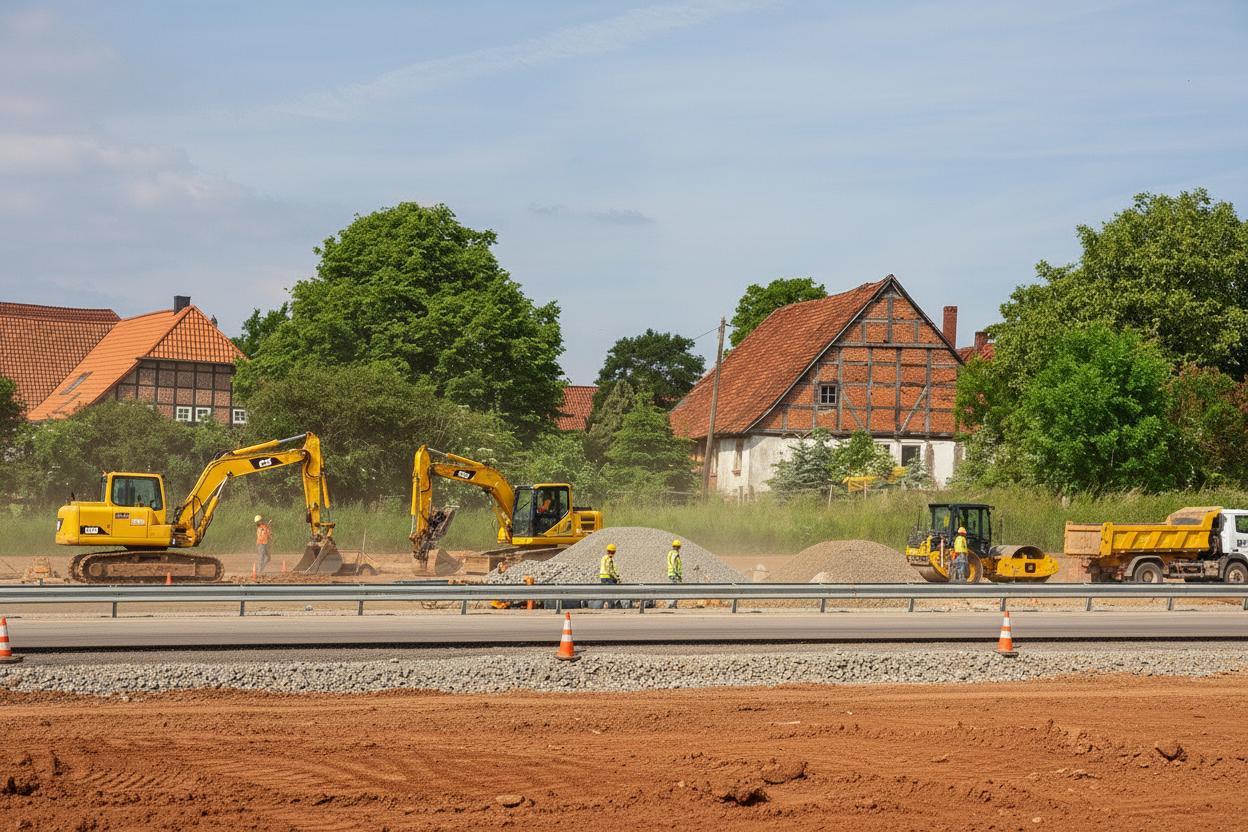
Road widening, bridge construction, utility installation, and other public improvements can affect nearby land. Heavy equipment, excavation, vibration, or soil movement may cause cracked foundations, damaged driveways, shifting ground, or harm to other structures.
Minor cosmetic damage may not be enough by itself. However, significant or lasting damage associated with a public project may warrant further investigation, particularly when the responsible entity refuses to repair the property or compensate the owner.
Property owners should photograph the condition of their land and buildings before nearby construction begins whenever possible. Repair estimates, engineering reports, dated photographs, and communications with the agency overseeing the project may help establish when and how the damage occurred.
Flooding and Drainage Changes
Public drainage projects can change how water moves through an area. New culverts, drainage ditches, stormwater systems, and redesigned roads may redirect water onto private property or worsen existing flooding.
Repeated flooding may support an inverse condemnation claim when it substantially interferes with the property's use. Warning signs can include recurring standing water, erosion, foundation damage, unsafe conditions, or portions of land becoming unusable.
Oklahoma courts have considered whether flooding associated with public transportation projects has substantially interfered with property rights. The focus is generally on the severity, frequency, and long-term effects of flooding, rather than on an isolated incident following a single unusually severe storm.
Sewer Lines, Pipelines, and Other Physical Occupation
A direct physical occupation is another common inverse condemnation scenario. Sewer lines, pipelines, water mains, utility poles, and similar infrastructure usually require an easement, voluntary agreement, or formal condemnation process.
In Snow v. Town of Calumet, temporary easements allowed a town to install sewer lines across private property. The town continued to use and maintain the lines after the easements expired. The Oklahoma Supreme Court held that the landowners had standing to pursue an inverse condemnation claim, illustrating how continued use beyond an easement’s terms may create a compensable issue.
Property owners should review deeds, surveys, easements, and title records when they discover public infrastructure on their land. The absence of a valid easement, or use extending beyond the rights originally granted, may warrant legal review.
Surveying and Pre-Condemnation Entry
Government entities sometimes enter private property before deciding whether to acquire it. Surveying, soil testing, soundings, and other examinations may be permitted under Oklahoma law for proposed roads, sewers, water systems, or public facilities.
Permission to enter does not necessarily eliminate the obligation to address actual damage. If survey crews damage fencing, landscaping, driveways, crops, or structures, the owner should document the condition and keep copies of notices received before the entry.
Substantial damage caused during pre-condemnation work may support an inverse condemnation claim or another legal remedy, depending on the entity involved and the circumstances.
Loss of Access to a Home or Business
Road redesigns, medians, barriers, intersection changes, and driveway closures can affect access to private property. A longer route or temporary detour will not ordinarily amount to a taking.
The analysis may be different when a project permanently eliminates reasonable access, makes commercial property difficult for customers or delivery vehicles to reach, or substantially limits the property’s practical use.
Rocket Properties LLC v. City of Tulsa demonstrates that inverse condemnation disputes may involve a combination of physical conditions, regulatory requirements, and restrictions affecting development or economic use. The case resulted in a substantial jury award that was largely upheld on appeal, although every claim depends on its own facts.
What Usually Does Not Qualify?
Inverse condemnation generally requires more than frustration or temporary inconvenience. Construction noise, short-term dust, brief traffic detours, minor aesthetic changes, and unsupported concerns about future property value typically do not establish substantial interference.
Courts are more likely to examine conditions involving continued physical occupation, recurring flooding, persistent structural damage, meaningful loss of access, or measurable reductions in use or value.
When to Seek Legal Help
Property owners should consider a legal evaluation when damage continues, access remains impaired, flooding becomes a pattern, or public infrastructure occupies land without clear property rights.
Preserve photographs, videos, repair estimates, easements, project notices, maps, appraisals, and correspondence with agencies or utilities. Early documentation can help connect the harm to the public project and identify the responsible parties.
Great Plains Legal Services assists property owners in Oklahoma City, Lawton, and surrounding communities with inverse condemnation and related property-rights disputes. The firm can review the evidence, identify entities with eminent domain authority, and determine whether negotiation or litigation may be appropriate. You can contact us via our form or by calling 405-296-6859.
share this
Related Articles
Related Articles

Examples of Inverse Condemnation Claims in Oklahoma

Who Can Be Sued for Inverse Condemnation in Oklahoma?

Inverse Condemnation in Oklahoma: A Property Owner's Checklist

Understanding Fraud Concerns In A Bankruptcy Case

Understanding Property Valuation in Oklahoma Eminent Domain
How Bankruptcy Helps Halt Wage Garnishment

When Eminent Domain Negotiations Turn Into a Lawsuit

Essential Bankruptcy Terms Every New Client Should Know

When Eminent Domain Negotiations Begin in Oklahoma

Can You File Bankruptcy and Still Keep Your 2025 Tax Refund? Yes—With the Right Strategy.

Understanding Key Bankruptcy Terms With Confidence

Rebuilding Financial Confidence After Bankruptcy
Understanding Property Valuation in Eminent Domain: An Oklahoma Perspective

New Year, Fresh Start: Rebuilding Financial Confidence After Bankruptcy

Surviving the Holidays While in Bankruptcy: Tips for Oklahoma Residents

What Happens to Your Car in Bankruptcy? Understanding Vehicle Exemptions in Oklahoma

When the Government ‘Takes’ Without Asking: Understanding Inverse Condemnation in Oklahoma

New law aims to allow Oklahoma property owners a real chance to get their property back
Beware of Bankruptcy Scams: Protecting Yourself from Fraudulent Creditors

Demystifying the Means Test in Chapter 7 Bankruptcy
Will Bankruptcy Stop Foreclosure in Oklahoma?
Chapter 7 vs. Chapter 13 Bankruptcy in Oklahoma

What to Know When Moving During Bankruptcy
Inverse Condemnation: Understanding Your Rights in Oklahoma
Your Legal Rights as a Landowner in Oklahoma: What You Need to Know

Smart Strategies to Manage Debt This Summer
Understanding Eminent Domain in Oklahoma's Oil and Gas Sector

How an Experienced Property Rights Attorney in Oklahoma City Can Help You

Protecting Property Rights in Oklahoma: What Landowners Should Know

What Is Eminent Domain in Oklahoma? Know Your Rights

What to Expect from a Free Bankruptcy Consultation in Oklahoma City

Do You Need a Bankruptcy Attorney in Oklahoma City? Signs It’s Time to File

Debt Relief Options in Oklahoma City: Bankruptcy and Beyond

How to File Bankruptcy in Oklahoma: Step-by-Step Guide
Understanding Bankruptcy in Oklahoma: A Guide to Chapter 7 and Chapter 13

Proposed Bill to Enhance Transparency and Protect Landowners in OTA Projects

OTA Realigns Project Corridor Following Norman’s Infrastructure Decision: What This Means for Property Owners

Strengthening Transparency: Oklahoma's Open Records Act and Proposed Legislative Reforms

Oklahoma Immigration Law on Hold: What You Need to Know

May 2024 Legal Clinic Dates

Navigating the New USCIS Fee Adjustments: What You Need to Know

Understanding Eminent Domain and Its Impact on Property Owners

The Essential Guide to Bankruptcy and the Automatic Stay