Article
Essential Bankruptcy Terms Every New Client Should Know
Navigating bankruptcy can feel overwhelming, especially if you are unfamiliar with the legal language involved. Learning the key terms used throughout the process can empower you to make informed decisions and approach each step with greater confidence. This guide breaks down essential terminology in simple, supportive language to help make your bankruptcy journey more manageable.
Automatic Stay
Once a bankruptcy case is filed, the court issues an automatic stay. This temporarily stops creditors from pursuing collection efforts, such as phone calls, lawsuits, or wage garnishments, unless they receive special permission to continue. This pause provides immediate relief as your case begins.
Debtor
A debtor is the individual or individuals filing for bankruptcy. If you are seeking protection from your debts through the bankruptcy court, you are the debtor in the case.
Trustee
A trustee is appointed by the court to manage and review your bankruptcy case. They examine your financial documents and oversee required meetings with creditors. Think of the trustee as the case manager who ensures everything proceeds according to the law.
Petition
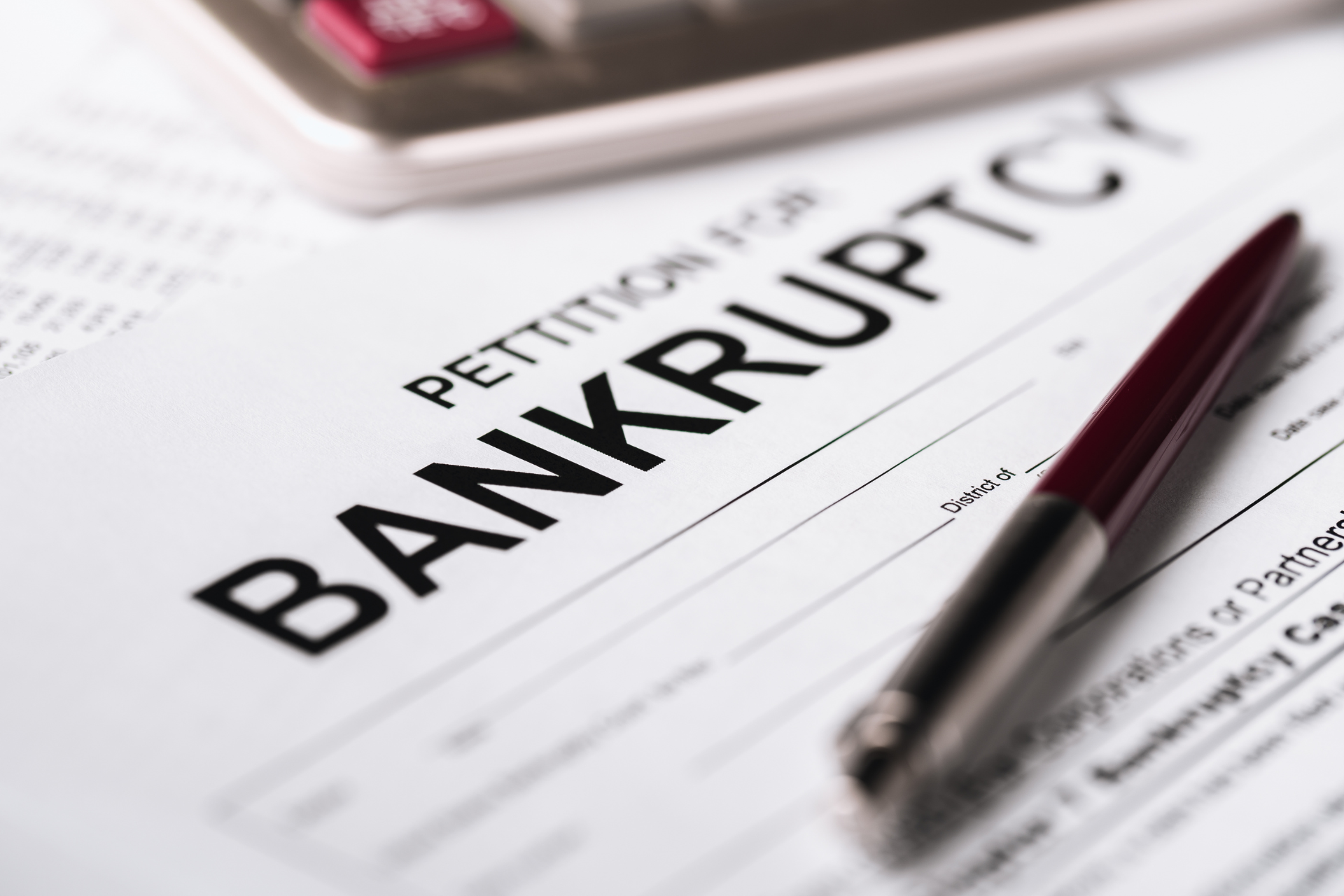
The petition is the document that officially begins your bankruptcy case. Once filed, the court opens your case and the automatic stay goes into effect.
Dismissal
A bankruptcy case may be dismissed if required steps are not completed. This can happen if a debtor misses credit counseling, fails to pay filing fees, does not attend creditor meetings, or does not provide requested documents to the trustee. A dismissal ends the case without eliminating debts.
Credit Counseling Course
Before filing for bankruptcy, debtors must complete a court-approved credit counseling course. This course provides information about budgeting and financial management and must be finished prior to submitting your petition.
Creditor
A creditor is anyone you owe money to. This could include a credit card company, medical provider, bank, or even the IRS. Creditors are notified once your petition is filed.
Secured Debt
Secured debt is tied to collateral, meaning a specific item guarantees the loan. Common examples include a car loan or a mortgage. If payments stop, lenders may be able to reclaim the property securing the debt.
Unsecured Debt
Unsecured debt is not backed by collateral. Typical examples include credit cards, medical bills, and many personal loans. These debts are handled differently in bankruptcy than secured debts.
Discharge of Debtor
A discharge is a court order that eliminates your responsibility for the debts included in your bankruptcy. Once discharged, you no longer owe those specific debts, giving you a fresh financial start.
Understanding these core terms can help you feel more prepared and less intimidated as you move through the bankruptcy process. With the right knowledge, the steps ahead become clearer and more manageable.
For guidance tailored to your situation, consider speaking with a bankruptcy attorney from Great Plains Legal Services, LLC. You can also explore related articles on our site for more financial insights, such as bankruptcy basics and managing debt effectively. Be sure to subscribe to our blog for ongoing resources to support your financial journey.
share this
Related Articles
Related Articles

Examples of Inverse Condemnation Claims in Oklahoma

Who Can Be Sued for Inverse Condemnation in Oklahoma?

Inverse Condemnation in Oklahoma: A Property Owner's Checklist

Understanding Fraud Concerns In A Bankruptcy Case

Understanding Property Valuation in Oklahoma Eminent Domain
How Bankruptcy Helps Halt Wage Garnishment

When Eminent Domain Negotiations Turn Into a Lawsuit

Essential Bankruptcy Terms Every New Client Should Know

When Eminent Domain Negotiations Begin in Oklahoma

Can You File Bankruptcy and Still Keep Your 2025 Tax Refund? Yes—With the Right Strategy.

Understanding Key Bankruptcy Terms With Confidence

Rebuilding Financial Confidence After Bankruptcy

Understanding Property Valuation in Eminent Domain: An Oklahoma Perspective

New Year, Fresh Start: Rebuilding Financial Confidence After Bankruptcy

Surviving the Holidays While in Bankruptcy: Tips for Oklahoma Residents

What Happens to Your Car in Bankruptcy? Understanding Vehicle Exemptions in Oklahoma

When the Government ‘Takes’ Without Asking: Understanding Inverse Condemnation in Oklahoma

New law aims to allow Oklahoma property owners a real chance to get their property back
Beware of Bankruptcy Scams: Protecting Yourself from Fraudulent Creditors

Demystifying the Means Test in Chapter 7 Bankruptcy
Will Bankruptcy Stop Foreclosure in Oklahoma?
Chapter 7 vs. Chapter 13 Bankruptcy in Oklahoma

What to Know When Moving During Bankruptcy

Inverse Condemnation: Understanding Your Rights in Oklahoma

Your Legal Rights as a Landowner in Oklahoma: What You Need to Know

Smart Strategies to Manage Debt This Summer

Understanding Eminent Domain in Oklahoma's Oil and Gas Sector

How an Experienced Property Rights Attorney in Oklahoma City Can Help You

Protecting Property Rights in Oklahoma: What Landowners Should Know

What Is Eminent Domain in Oklahoma? Know Your Rights

What to Expect from a Free Bankruptcy Consultation in Oklahoma City

Do You Need a Bankruptcy Attorney in Oklahoma City? Signs It’s Time to File

Debt Relief Options in Oklahoma City: Bankruptcy and Beyond

How to File Bankruptcy in Oklahoma: Step-by-Step Guide
Understanding Bankruptcy in Oklahoma: A Guide to Chapter 7 and Chapter 13

Proposed Bill to Enhance Transparency and Protect Landowners in OTA Projects

OTA Realigns Project Corridor Following Norman’s Infrastructure Decision: What This Means for Property Owners

Strengthening Transparency: Oklahoma's Open Records Act and Proposed Legislative Reforms

Oklahoma Immigration Law on Hold: What You Need to Know

May 2024 Legal Clinic Dates

Navigating the New USCIS Fee Adjustments: What You Need to Know

Understanding Eminent Domain and Its Impact on Property Owners

The Essential Guide to Bankruptcy and the Automatic Stay