


7 Steps to Take After Bankruptcy
Completing a bankruptcy case can mark the beginning of a new financial chapter, but it does not make every concern disappear overnight. Many people have questions after discharge about protecting...

Understanding the Bankruptcy Process for First-Time Filers
Filing for bankruptcy may seem daunting, particularly when you have never been through a legal proceeding before. It is natural to have concerns about what happens once you decide to file, and...

Can Bankruptcy Affect Your Job Search?
Searching for a job after filing for bankruptcy can feel stressful, especially when you are unsure whether an employer will see your financial history. You are not alone in asking this question....

Examples of Inverse Condemnation Claims in Oklahoma
Inverse condemnation can be difficult to understand because terms such as “taking,” “property damage,” and “substantial interference” are highly fact-dependent. Practical examples can help Oklahoma...

Who Can Be Sued for Inverse Condemnation in Oklahoma?
Many Oklahoma property owners assume that inverse condemnation claims can only be brought against a city, county, or state agency. In reality, Oklahoma law focuses on whether an entity has the...

Inverse Condemnation in Oklahoma: A Property Owner's Checklist
Most property owners have heard of eminent domain, which allows the government to acquire private property for public projects as long as it provides just compensation. In those cases, the...

Understanding Fraud Concerns In A Bankruptcy Case
Bankruptcy fraud can take many forms, and even actions that seem harmless can create serious complications during a bankruptcy case. Understanding how certain financial decisions are viewed by the...

Understanding Property Valuation in Oklahoma Eminent Domain
When a government agency or utility seeks to acquire property through eminent domain, the first offer a landowner receives may appear straightforward. Often it looks like a simple price for the...
How Bankruptcy Helps Halt Wage Garnishment
Wage garnishment can quickly disrupt your financial stability, especially when it reduces the income you depend on to manage essential expenses. When a creditor begins taking part of your paycheck...

When Eminent Domain Negotiations Turn Into a Lawsuit
When negotiations break down, the next step in Oklahoma eminent domain is usually a lawsuit. The condemning authority can file a condemnation petition in the district court for the county where...

Essential Bankruptcy Terms Every New Client Should Know
Navigating bankruptcy can feel overwhelming, especially if you are unfamiliar with the legal language involved. Learning the key terms used throughout the process can empower you to make informed...

When Eminent Domain Negotiations Begin in Oklahoma
Many Oklahoma property owners are surprised to learn that the eminent domain process often begins long before a lawsuit is filed. The first signs may be a letter, a phone call from a right-of-way...

Can You File Bankruptcy and Still Keep Your 2025 Tax Refund? Yes—With the Right Strategy.
If you’re thinking about filing bankruptcy but are worried about losing your 2025 tax refund, you’re not alone. This is one of the most common concerns people have when they reach out for help....

Understanding Key Bankruptcy Terms With Confidence
Navigating bankruptcy can feel overwhelming, especially when you’re faced with unfamiliar legal terms. At Great Plains Legal Services, LLC, our goal is to make the bankruptcy process easier to...

Rebuilding Financial Confidence After Bankruptcy
Filing for bankruptcy isn’t the end of your financial story—it's the beginning of a new chapter. Once the paperwork is complete and the debts are discharged, the focus shifts to rebuilding...

Understanding Property Valuation in Eminent Domain: An Oklahoma Perspective
When the government exercises its right of eminent domain, property owners in Oklahoma face unique challenges and opportunities. Understanding how your property is valued can ensure you receive...

New Year, Fresh Start: Rebuilding Financial Confidence After Bankruptcy
As the new year unfolds, it's a natural time for reflection and setting resolutions—especially for those emerging from bankruptcy. Rebuilding after financial setbacks can feel daunting, but with...

Surviving the Holidays While in Bankruptcy: Tips for Oklahoma Residents
The holiday season can be particularly stressful for those navigating bankruptcy in Oklahoma. Balancing family obligations with financial constraints requires careful planning. Here’s how you can...

What Happens to Your Car in Bankruptcy? Understanding Vehicle Exemptions in Oklahoma
For many in Oklahoma, maintaining possession of their vehicle during bankruptcy is a major concern. While much focus is often placed on protecting homes, knowing how to keep your car is equally...

When the Government ‘Takes’ Without Asking: Understanding Inverse Condemnation in Oklahoma
Inverse condemnation is a critical, yet often overlooked, aspect of property law, especially in Oklahoma. Unlike eminent domain, where the government formally takes private property for public use,...
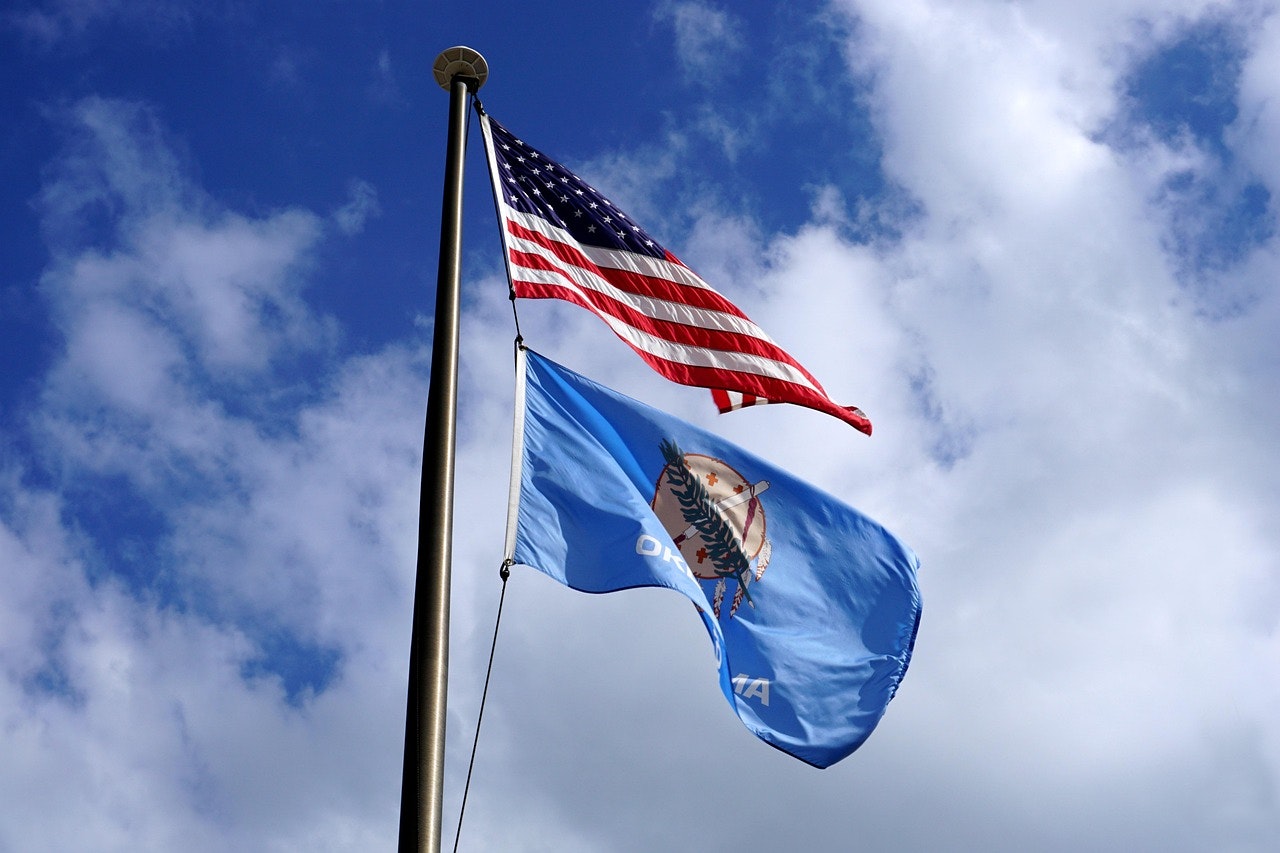
New law aims to allow Oklahoma property owners a real chance to get their property back
As a property owner's attorney, it's essential to inform clients about significant legislative changes that impact their property rights. A recent development in Oklahoma law, effective November 1,...
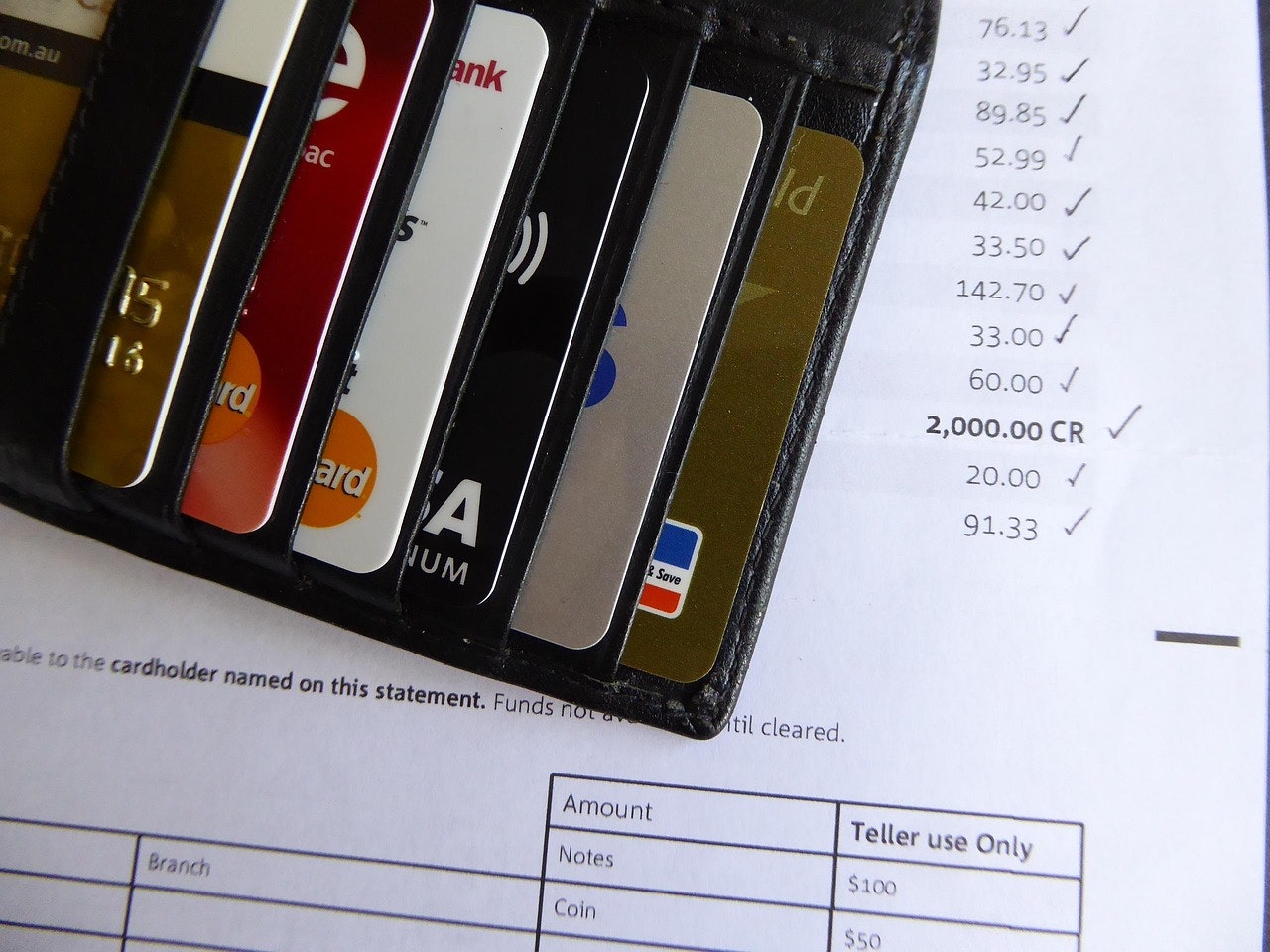
Beware of Bankruptcy Scams: Protecting Yourself from Fraudulent Creditors
Identifying Creditor ScamsWhen facing financial difficulties, the last thing anyone needs is to fall victim to a scam. Unfortunately, some creditors or those posing as creditors might take...

Demystifying the Means Test in Chapter 7 Bankruptcy
Will Bankruptcy Stop Foreclosure in Oklahoma?
Understanding Foreclosure in OklahomaForeclosure can be a daunting process for homeowners in Oklahoma facing financial difficulties. It's crucial to comprehend how foreclosure works in the state to...
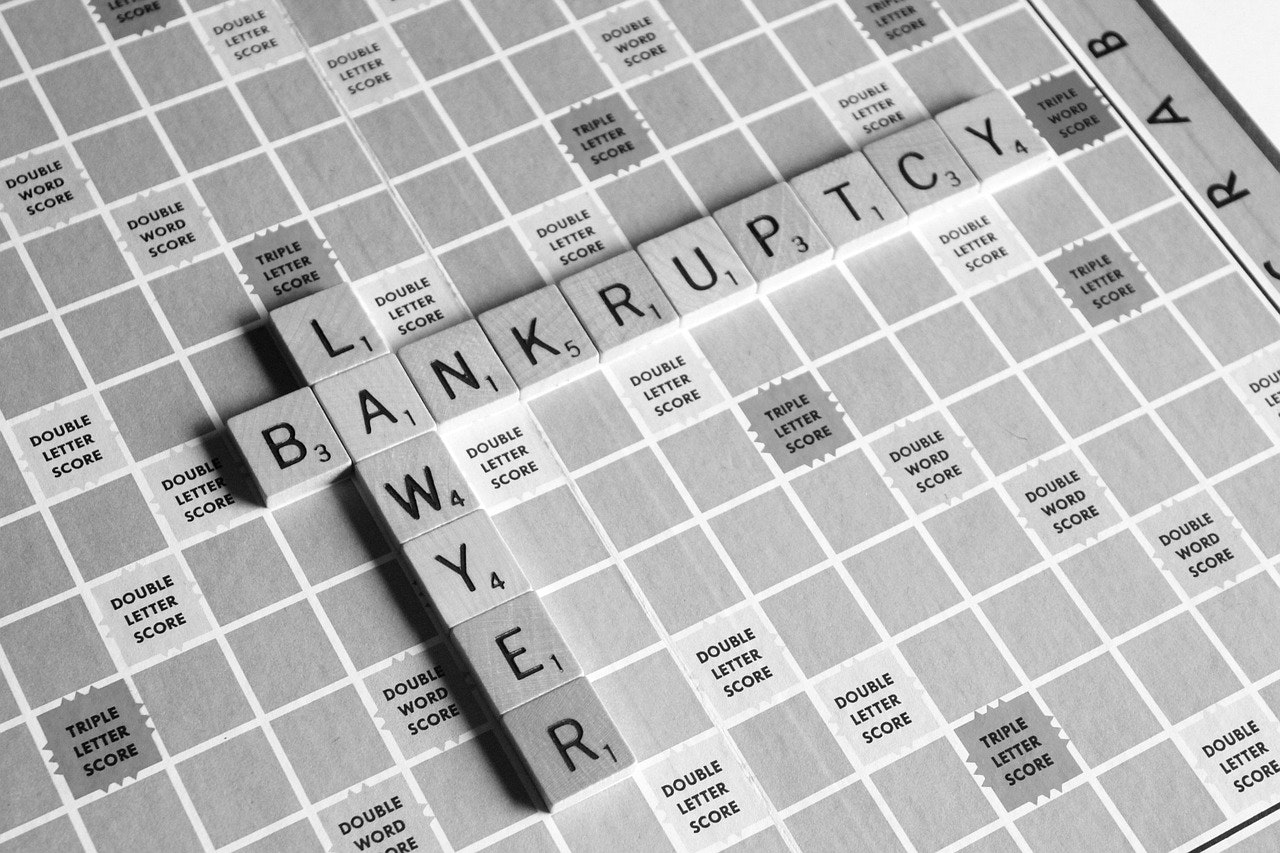
Chapter 7 vs. Chapter 13 Bankruptcy in Oklahoma
Understanding Bankruptcy OptionsWhen faced with overwhelming debt, understanding your bankruptcy options can be crucial. Two of the most common bankruptcy chapters individuals consider are Chapter...

What to Know When Moving During Bankruptcy
Your Case Stays in the Original CourtFiling for bankruptcy in a federal court is based on your residency or asset location within the 180 days preceding the filing. If you're considering moving out...
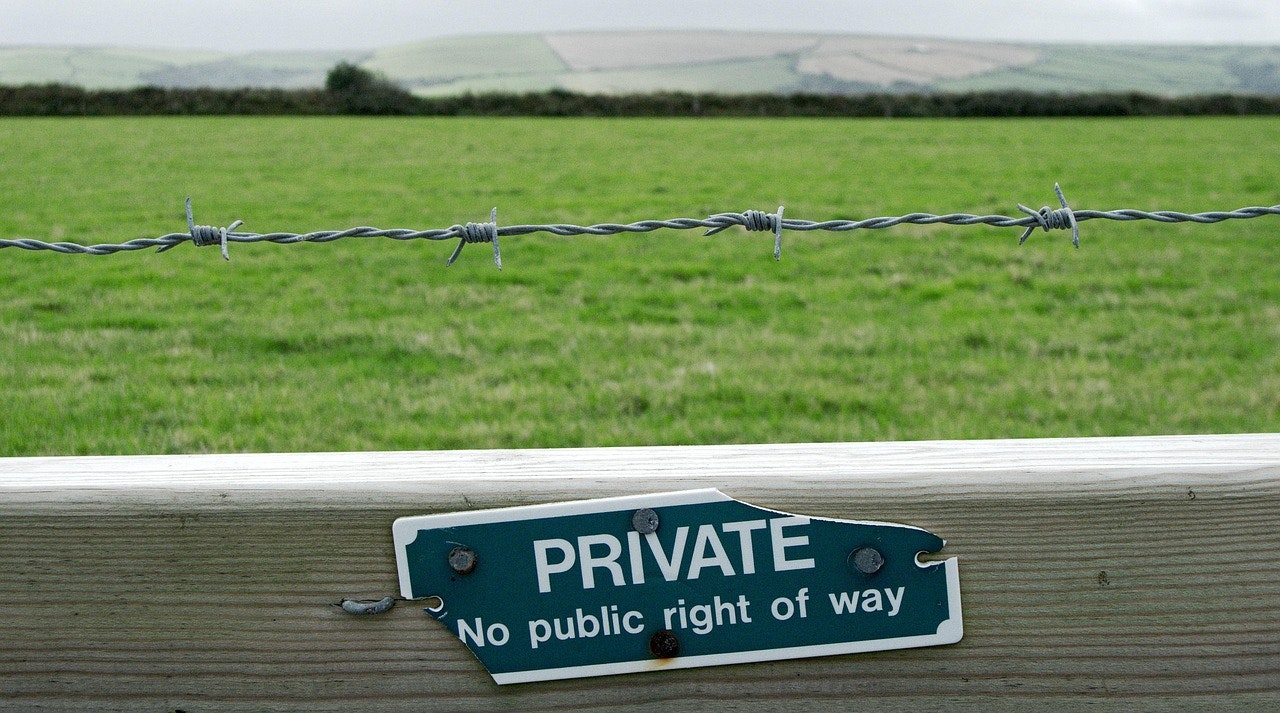
Inverse Condemnation: Understanding Your Rights in Oklahoma
What is Inverse Condemnation?Inverse condemnation occurs when a government entity effectively takes private property without formal condemnation proceedings or just compensation. Unlike eminent...
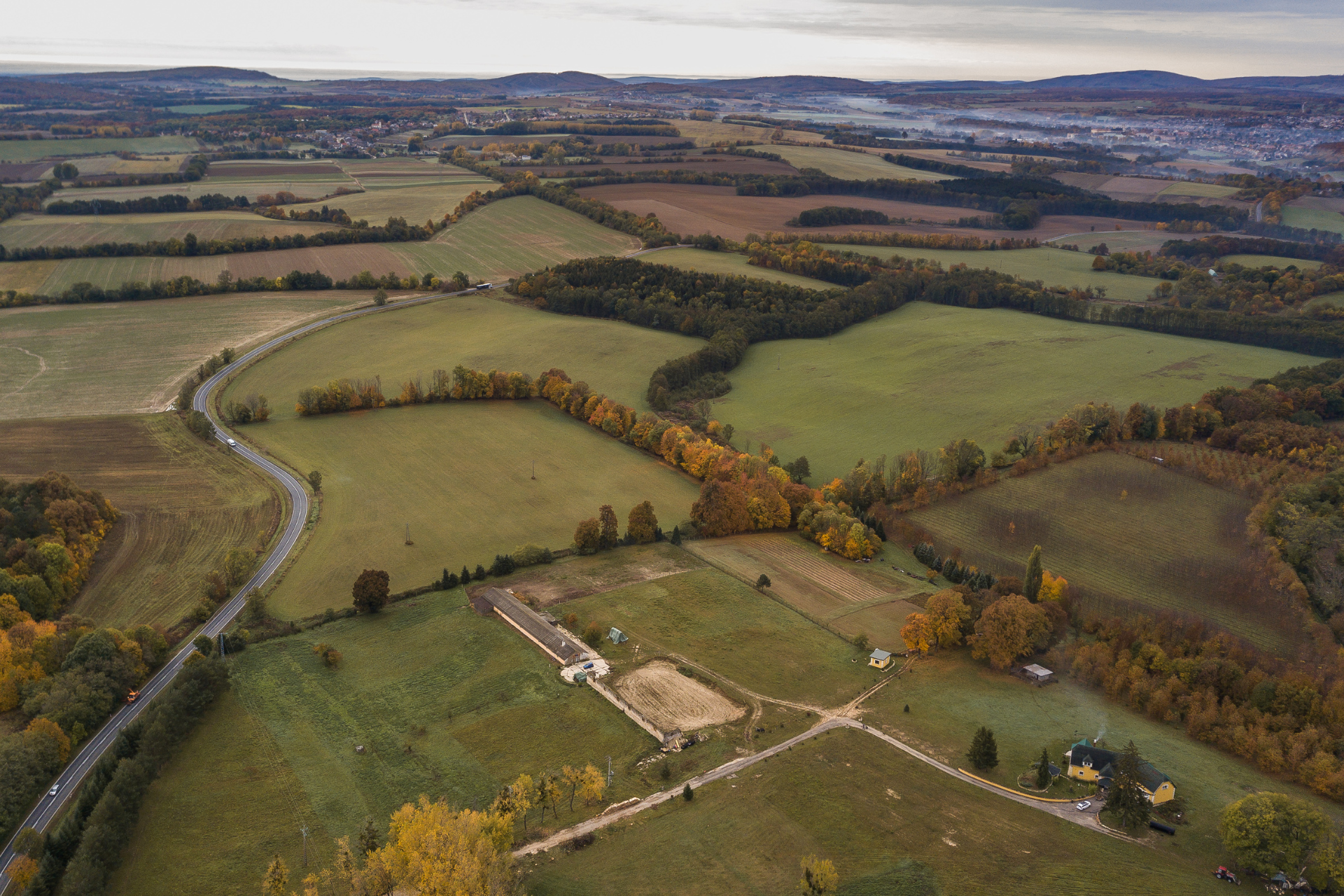
Your Legal Rights as a Landowner in Oklahoma: What You Need to Know
Owning property in Oklahoma comes with a range of legal rights and protections, but landowners may face challenges such as boundary disputes, zoning conflicts, and government claims. Understanding...

Smart Strategies to Manage Debt This Summer
Summer vacations are the perfect time to escape, relax, and create unforgettable memories. But beneath the excitement lies the potential to overspend, which can lead to post-vacation debt. It's...

Understanding Eminent Domain in Oklahoma's Oil and Gas Sector
Introduction to Eminent DomainEminent domain allows the government or its agents to expropriate private property for public use, with payment of compensation. In Oklahoma, a state rich in natural...
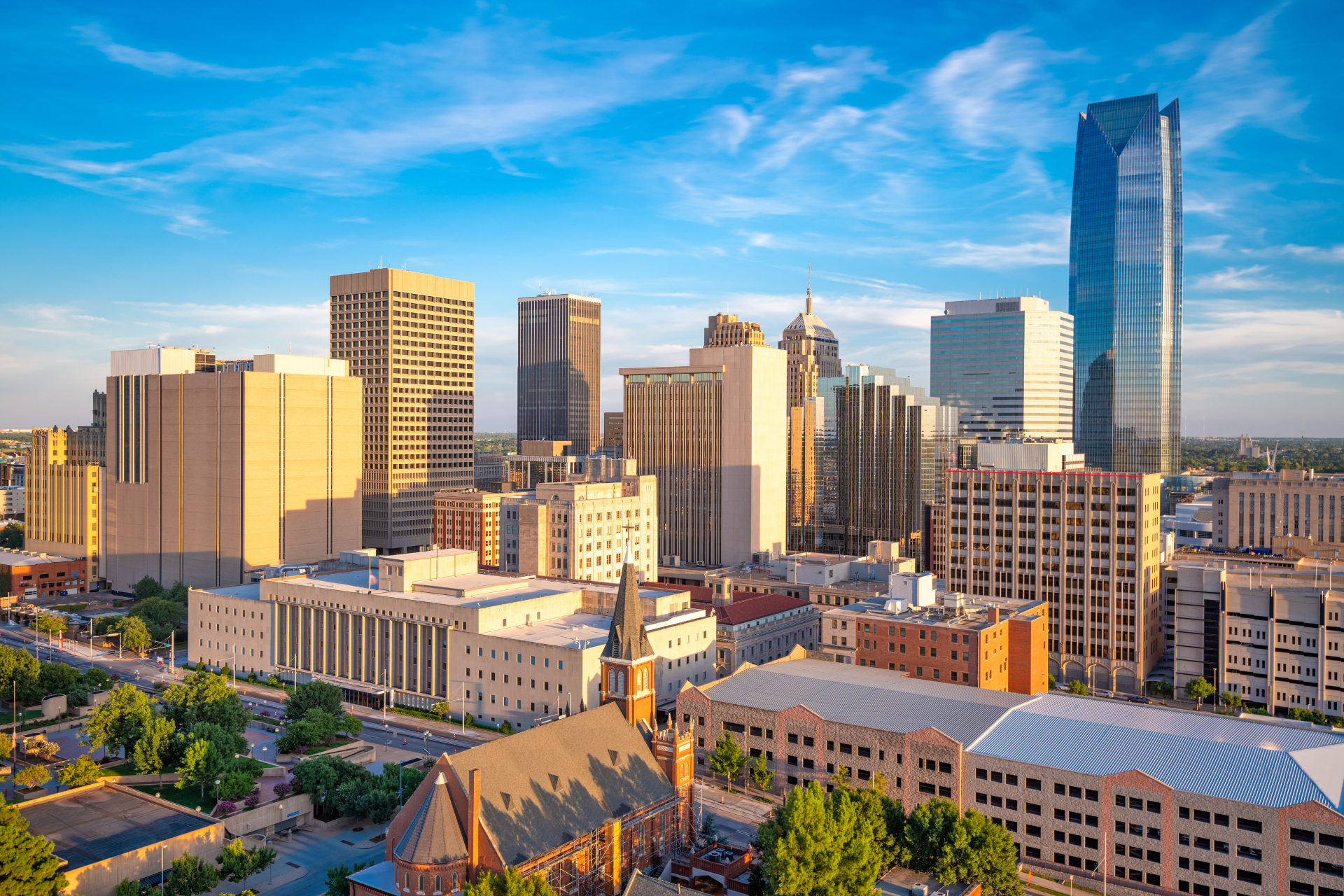
How an Experienced Property Rights Attorney in Oklahoma City Can Help You
When it comes to property rights, land disputes, and eminent domain cases, having anexperienced property rights attorney in Oklahoma City can make all the difference. Whether you're facing a...

Protecting Property Rights in Oklahoma: What Landowners Should Know
Owning property in Oklahoma comes with a set of legal rights and responsibilities that every landowner should understand. From zoning laws to boundary disputes and eminent domain cases, knowing how...

What Is Eminent Domain in Oklahoma? Know Your Rights
Eminent domain is the power of the government to take private property for public use, provided they compensate the landowner fairly. In Oklahoma, this power is exercised by federal, state, and...

What to Expect from a Free Bankruptcy Consultation in Oklahoma City
Understanding the Process If you're considering filing for bankruptcy in Oklahoma City, afree bankruptcy consultation with a trusted law firm like Great Plains Legal Services is an excellent first...

Do You Need a Bankruptcy Attorney in Oklahoma City? Signs It’s Time to File
Facing financial hardship can be overwhelming, but knowing when to seek help is the first step toward relief. If you’re struggling with debt in Oklahoma City, consulting abankruptcy attorney in...

Debt Relief Options in Oklahoma City: Bankruptcy and Beyond

How to File Bankruptcy in Oklahoma: Step-by-Step Guide
Filing for bankruptcy can provide a fresh financial start for those struggling with overwhelming debt. However, the process can be complex and requires careful planning. This guide will walk you...
Understanding Bankruptcy in Oklahoma: A Guide to Chapter 7 and Chapter 13
When facing overwhelming debt, bankruptcy can offer a path to financial relief. In Oklahoma, individuals typically file for Chapter 7 bankruptcy or Chapter 13 bankruptcy, depending on their...

Proposed Bill to Enhance Transparency and Protect Landowners in OTA Projects
At Great Plains Legal Services, LLC, we believe in protecting private property rights and ensuring due process for landowners. A newly proposed bill, Senate Bill 80, aims to bring greater...

OTA Realigns Project Corridor Following Norman’s Infrastructure Decision: What This Means for Property Owners
The Oklahoma Turnpike Authority (OTA) recently announced a revised footprint for the East-West Connector project, a segment of the Oklahoma City Outer Loop, which will affect properties in multiple...

Strengthening Transparency: Oklahoma's Open Records Act and Proposed Legislative Reforms
Open records laws are vital for fostering transparency and accountability in government operations. These laws ensure that the public has access to important information about government activities...

Oklahoma Immigration Law on Hold: What You Need to Know
The recent injunction on Oklahoma's House Bill 4156 has significant implications for the state's approach to immigration enforcement. As this legislation is put on hold, it's essential to...

May 2024 Legal Clinic Dates
The Comanche Nation Legal Clinics are open to all tribal members in the month of May and are open from 10 AM to 2 PM, located at the Comanche Nation Tribal Court. You can speak to an attorney about...

Navigating the New USCIS Fee Adjustments: What You Need to Know

Understanding Eminent Domain and Its Impact on Property Owners
Eminent domain is a legal principle that allows certain entities to take private property for public use, provided the property owner is given "just compensation." This concept is rooted in the...

The Essential Guide to Bankruptcy and the Automatic Stay
Bankruptcy can be a daunting word for many, but it's often a crucial step towards financial recovery and stability. At Great Plains Legal Services, LLC, we understand the complexities and emotions...

March 2024 Legal Clinic Dates
The Comanche Nation Legal Clinics are open to all tribal members in the month of March and are open from 10 AM to 2 PM, located at the Comanche Nation Tribal Court. You can speak to an attorney...
View more